
 E-Paper




Maharashtra to build check dams at new bridges to conserve water; 1-meter height made mandatory
Chandrashekhar Bawankule said the objective is to increase water storage capacity and ensure that at least one metre of water is retained beneath every bridge.




The Maharashtra government, in a major policy decision aimed at water conservation at every possible site, has made it mandatory to construct a check dam along with every new bridge built across rivers and streams under state and Central government projects.
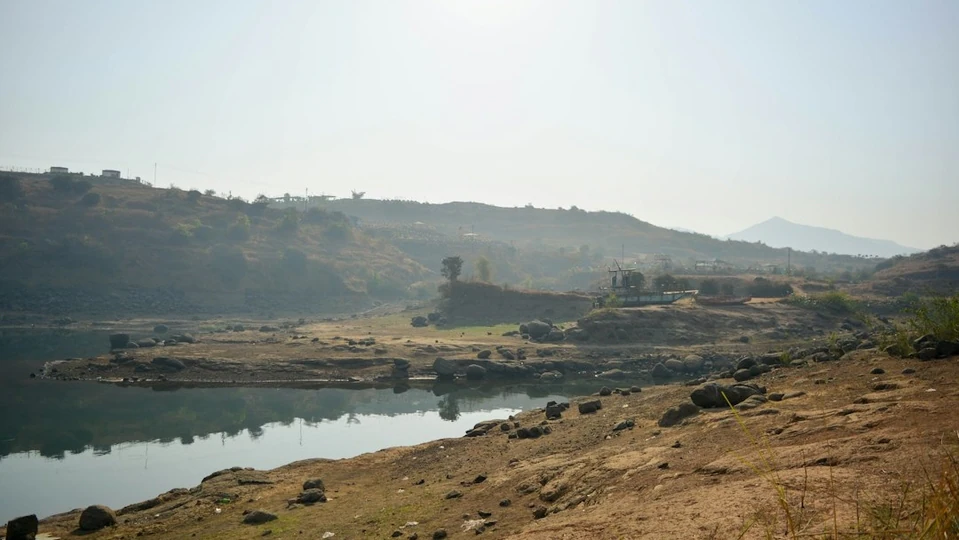
The decision, taken on Wednesday in a meeting of the Cabinet Sub-Committee on Drought Mitigation, chaired by revenue minister Chandrashekhar Bawankule, comes as the state is suffering from severe drought and water shortage. Water resources minister Girish Mahajan, chief secretary Rajesh Agrawal and senior officials from various departments attended the meeting.
Check dams are small barriers to slow down the flow of water and store a small quantity of water compared to dams. Bawankule said that the objective is to increase water storage capacity and ensure that at least one metre of water is retained beneath every bridge.
The directive will apply to new bridges constructed by the Public Works Department, Maharashtra State Road Development Corporation (MSRDC), Mumbai Metropolitan Region Development Authority (MMRDA), City and Industrial Development Corporation (CIDCO), Navi Mumbai Airport Influence Notified Area (NAINA) and bridges built under the chief minister's Gram Sadak Yojana. The government is also planning to construct such bridge-cum-check dams along the proposed Shaktipeeth Expressway.
Bawankule said the government is considering proposals from gram panchayats to construct small lakes on grazing land, each spread over two to three acres, to improve future water availability.
The government has extended the deadline of the Gaalmukt Dharan scheme, under which silt is removed from gram panchayat, Zilla Parishad and Malgujari tanks and supplied free of cost to farmers, until June 30.
The rates have been fixed at ₹32 per cubic metre for silt removal and ₹37 per cubic metre for transportation. The maximum subsidy available under the scheme has been capped at ₹37,500.





