
 E-Paper






Debapriya Bhattacharya is a Content Producer at Hindustan Times. He started his career in 2022, working in newsrooms in beats like education, US news, trending stories, and entertainment. In his new role in the lifestyle desk, he seeks to deliver a balanced blend of research-driven reporting and creative storytelling from health and recipes to art and culture. Science, philosophy, food and pop culture are what pump his veins and help bring heart to his stories. Debapriya tries to see out subjects that will allow him and readers to explore new frontiers and improve the quality of life for all. The explorations can be both external and internal, as thoughts seek to be as chaotic as the greater universe. As a citizen of the world, Debapriya has been fascinated by the lives of people across the globe throughout time. His curiosity leads him to explore new linguistic and cultural landscapes to broaden his horizons and deepen his understanding of global narratives. Beyond the newsroom, Debapriya loves to participate in debate and theatre, spaces that he considers to be holy grounds for nuance and self-expression. A graduate from Ashutosh College, University of Calcutta, Debapriya completed his Master's degree from the same university in 2022. An ambiverted bibliophile, he loves his solitude as much as he adores stimulating conversations. And despite his reverence for tech, libraries continue to be his favourite place for research.
Doctor explains the risks associated with bottled, RO and tap water: How to choose safe consumption option


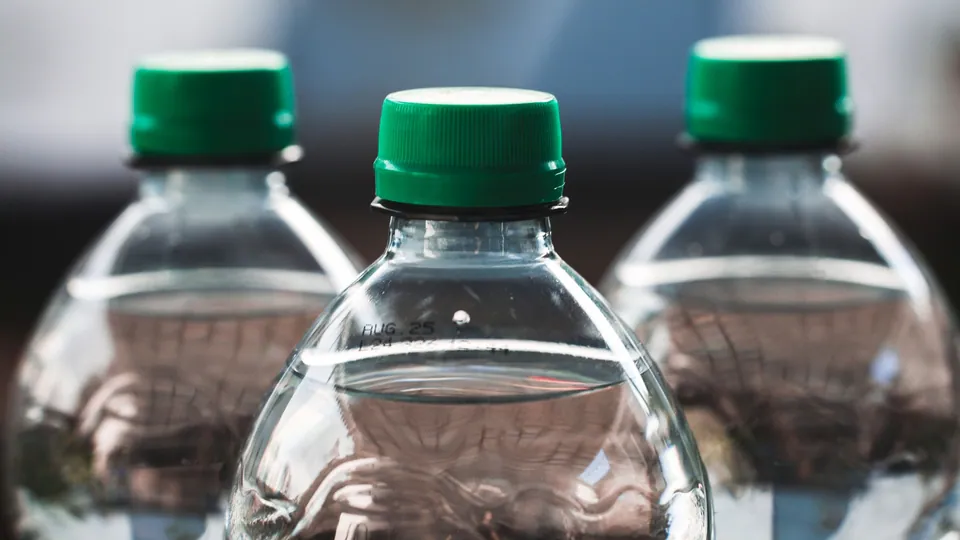
Choosing a safe drinking option involves testing the water source and selecting the best purification method, Dr Kshitiz Sharan highlights.
The safety of drinking water cannot be determined simply by whether it comes from a sealed bottle, a home water purifier or a municipal tap.
Also Read | Doctor explains recurring sinus infections in winter: Triggers and warning signs that need medical attention
According to Dr Kshitiz Sharan, consultant gastroenterologist at Sarvodaya Hospital, Greater Noida West, what matters most is the quality of the source water, the treatment it undergoes, the possibility of contamination during storage and distribution, and whether it meets prescribed drinking water standards.
He went on to share the differences among the three and the risks each poses with HT Lifestyle, as follows:
Risks of drinking bottled water
Packaged drinking water is often perceived as the safest option for consumption because it comes in sealed bottles. However, packaging does not automatically guarantee purity, Dr Sharan pointed out.
Bottled water can become contaminated during manufacturing, bottling, transportation or storage, particularly if quality-control measures are inadequate.
In the words of the gastroenterologist, “It is important to check that the product complies with applicable FSSAI standards, is properly sealed, has a valid manufacturing and expiry date, and is stored away from direct sunlight and excessive heat. Consumers should also avoid reusing single-use plastic bottles for prolonged periods.”
Purpose of drinking RO water
RO (Reverse Osmosis) water purifiers can be useful in areas where groundwater has high total dissolved solids (TDS), excessive salinity or certain dissolved contaminants.
Dr Sharan noted that the RO technology can remove several dissolved impurities, including certain heavy metals, nitrates, and salts. However, he did point out that RO is not necessary for every household.
“If the source water is already safe and has acceptable TDS levels, excessive purification may not offer additional health benefits. RO systems can also remove naturally occurring minerals such as calcium and magnesium. Therefore, households should select purification technology based on actual water-testing results rather than marketing claims,” he noted.
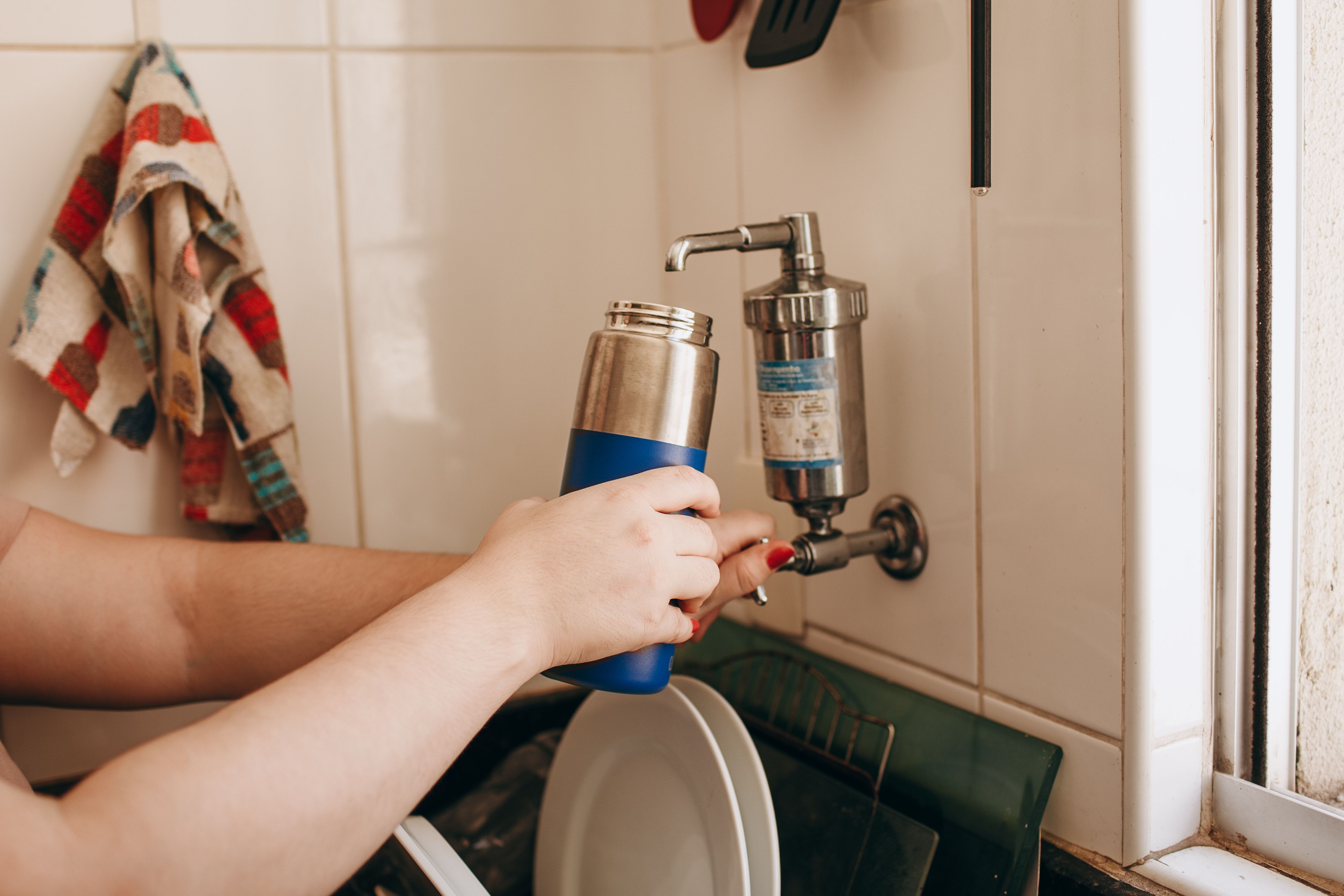
Risks of drinking tap water
Tap water, on the other hand, can be a safe and economical option if it is adequately treated and supplied through a well-maintained distribution system.
Municipal water is generally treated to remove harmful microorganisms and contaminants, but Dr Sharan pointed out that its safety can be compromised during transportation through ageing pipelines, leakage, sewage mixing or contamination of overhead and underground storage tanks.
“In Indian households, water may also get contaminated if tanks are not cleaned regularly or plumbing systems are poorly maintained. Therefore, even when the municipal supply is treated, its quality at the point of consumption matters,” stated the gastroenterologist.
Which water is safe for consumption?
As per Dr Sharan, one common misconception is that water with a lower TDS level is necessarily safer.
“TDS measures the concentration of dissolved substances, including minerals and salts, but it does not establish whether water is microbiologically safe or free from toxic contaminants,” he stated. “Water with low TDS can still contain harmful bacteria, viruses or certain chemicals. Similarly, clear, odourless water is not necessarily safe for consumption.”
From a health perspective, the gastroenterologist warned that consuming contaminated water can lead to gastrointestinal infections, diarrhoea, vomiting and other waterborne illnesses. Long-term exposure to certain chemical contaminants, such as arsenic, lead and excessive nitrates, can also have serious health consequences.
His recommendation: “Households should first get their source water tested through a recognised laboratory and then choose an appropriate purification method. RO may be suitable where dissolved contaminants are high, while UV or other suitable filtration and disinfection systems may be sufficient in areas where the primary concern is microbial contamination.”
Whatever system is installed, Dr Sharan stressed that timely servicing and filter replacement are essential. Storage containers and household water tanks should also be cleaned regularly, and drinking water should be stored in clean, covered vessels.
“Ultimately, there is no universally safest option between bottled water, RO water and tap water. The safest water is the one that has been tested, appropriately treated, safely stored and consistently meets drinking water quality standards,” he stated.
Note to readers: This article is for informational purposes only and not a substitute for professional medical advice. Always seek the advice of your doctor with any questions about a medical condition.
ABOUT THE AUTHOR

Catch your daily dose of Fashion, Taylor Swift, Health, Festivals, Travel, Relationship, Recipe and all the other Latest Lifestyle News on Hindustan Times Website and APPs.





