
 E-Paper






The Hindustan Times US Desk brings you the latest news and developments from across the United States. The team covers everything from breaking news and politics to sports, business, entertainment and stories that are trending across the country. Our coverage includes the White House, Congress, US elections, immigration and visa updates, H-1B, green cards, Social Security, education, jobs, layoffs, the economy, technology and major policy changes. We also closely follow stories that matter to Indian and South Asian communities in the US. The desk covers major US sports, including the NFL, NBA, MLB and NHL, along with player news, injuries, schedules, results and major events. Entertainment coverage includes Hollywood, celebrities, television, streaming, music and pop culture. We also report on breaking developments, major incidents, weather, public safety, court cases and other stories making headlines across the country. When a major policy or news development affects people's everyday lives, the team works to explain what happened, what it means and what readers need to know. Alongside breaking news, the US Desk produces explainers and practical stories on topics such as immigration, Social Security, taxes, education, employment and government programmes. The team also works on science, tech, business and AI stories analyzing the impact they may have on people. The team follows developments throughout the day, keeping an eye on official announcements, public records, reliable news sources and what people are talking about across the US.
 Trending News
At pH 5.8, key prey species vanished from Ontario’s Lake 223; 22 years after acidification began, lake trout production had yet to recover
Lake 223’s water chemistry recovered after acidification, but its lake trout population remained depleted decades later.


An experiment conducted on a lake located in northwestern Ontario demonstrated how fast acid rain could affect the food chain in an aquatic ecosystem. By changing the pH of the lake, two species of organisms important for sustaining lake trout were eliminated from the lake, even though the lake was not acidic enough to be considered dangerous according to the expectations of scientists.

These results appeared in a 1985 study published in Science and led by Dr. David W. Schindler. The researchers documented the effects of eight years of experimental acidification at Lake 223, during which sulfuric acid additions lowered the lake's pH from 6.8 to approximately 5.0. This was an interim account of the experiment, which continued until 1993.
The paper reported that Mysis relicta, a freshwater opossum shrimp, and the fathead minnow, Pimephales promelas, were eliminated from the lake at pH values as high as 5.8. Both were key organisms in the food web leading to lake trout. There was also evidence of the loss of benthic crustaceans, shifts in the phytoplankton, and increased growth of filamentous algae around the lake. Not all biological processes declined as the pH fell. Primary productivity, decomposition, and nutrient concentration did not decline in the experiment. There was a shift in the composition of organisms in the lake and the interactions between them. The authors concluded that the effects seen were due to hydrogen ions and not aluminum toxicity.
The researchers also found that no fish species reproduced when the lake's pH fell below 5.4. Based on the natural mortality rates of the longest-lived fish species, they estimated that the lake would become fishless within about a decade if the conditions persisted.
Chemical recovery preceded the fish recovery
A 2002 research paper by Kenneth H. Mills, Sandra M. Chalanchuk and Douglas J. Allan, published in Environmental Biology of Fishes, examined lake charr, also known as lake trout, under conditions of acidification and recovery. The trout biomass increased in the first six years under falling pH, mainly due to good recruitment.
The researchers found that lake trout biomass remained low during the subsequent 10 years of pH recovery and for another five years after the lake's pH had returned to neutral. Even 22 years after acidification began, total fish production had not returned to the level recorded before acid was introduced.
Nevertheless, production of individual fish recovered rapidly as pH increased, matching the previous production levels before the onset of acidification. What was lacking was sufficient numbers of fish to achieve total production levels that had existed prior to acidification.
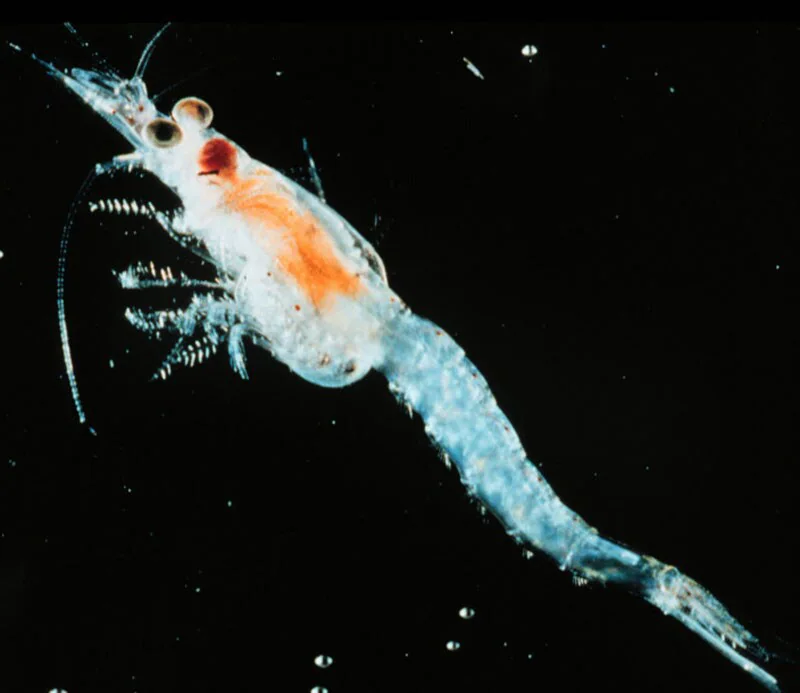
A 2019 BBC Future article described efforts to restore Lake 223's missing species, reporting that researchers were reintroducing freshwater opossum shrimp in batches of 10,000 to test whether their return could help restart the lake's food web. Remotely operated underwater vehicles searching the lake had spotted just two Mysis shrimp during the early surveys. The observations suggested that the species had become extremely scarce rather than confirming its complete absence. The article also discussed research by freshwater microbiologist Carol Kelly and her colleagues, who found that alkali-producing microbes in lake sediments could neutralize some of the acidity, helping the lake's water chemistry recover.
Restoration involves more than just cleaning the water
The International Institute for Sustainable Development's Experimental Lakes Area states that scientists added sulfuric acid to Lake 223 weekly from 1976 to 1993, gradually lowering its pH from 6.8 to 5.2. The 1985 Science paper therefore documented an earlier stage of the longer experiment, rather than its final pH or duration. The experiment altered the lake's ecosystem and led to the disappearance of fish and invertebrates, demonstrating the sensitivity of aquatic food webs to acidification. Researchers began reintroducing Mysis diluviana into the lake in 2019, and by 2021, they had found evidence of a new population. This is the updated taxonomic name for the North American freshwater populations previously identified as Mysis relicta.
The experiment revealed how important it was to stop pollution at the source, but Lake 223 provides an example of the limitation of chemical restoration as an indicator of ecosystem recovery. A lake can be restored chemically without the presence of certain species or fish populations. For lake trout, restored water chemistry was only one of the factors needed for the population and its overall production to recover.





