
 E-Paper






The Hindustan Times US Desk brings you the latest news and developments from across the United States. The team covers everything from breaking news and politics to sports, business, entertainment and stories that are trending across the country. Our coverage includes the White House, Congress, US elections, immigration and visa updates, H-1B, green cards, Social Security, education, jobs, layoffs, the economy, technology and major policy changes. We also closely follow stories that matter to Indian and South Asian communities in the US. The desk covers major US sports, including the NFL, NBA, MLB and NHL, along with player news, injuries, schedules, results and major events. Entertainment coverage includes Hollywood, celebrities, television, streaming, music and pop culture. We also report on breaking developments, major incidents, weather, public safety, court cases and other stories making headlines across the country. When a major policy or news development affects people's everyday lives, the team works to explain what happened, what it means and what readers need to know. Alongside breaking news, the US Desk produces explainers and practical stories on topics such as immigration, Social Security, taxes, education, employment and government programmes. The team also works on science, tech, business and AI stories analyzing the impact they may have on people. The team follows developments throughout the day, keeping an eye on official announcements, public records, reliable news sources and what people are talking about across the US.
 Trending News
Nearly 500 WWII love letters lay hidden in an Australian home for 80 years; their discovery revealed a side of her parents their daughter never knew
Nearly 500 wartime letters found in a Sydney home have given Lynne Smith a new glimpse of her parents’ affectionate, playful relationship during World War II.


A trove of nearly 500 handwritten love letters reveals a romance that their Australian daughter knew little about for most of her life. The letters were written by Fred Mortley and his bride-to-be, Elwyn Betty Wombold, during World War II. The letters remained hidden away in their former family house in Sydney for about 80 years.
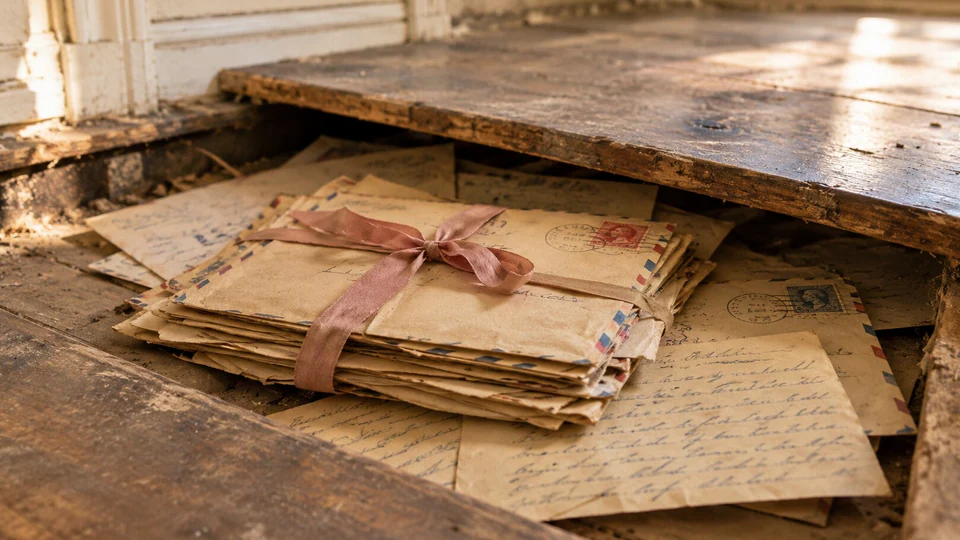
Nearly three decades after both parents died, the discovery gave their daughter, Lynne Smith, an unexpected chance to learn about their relationship before marriage. The letters revealed an affectionate and playful side of her parents that she had never witnessed while growing up. According to a report published by KidsNews on October 22, 2024, the collection was found by the current owners of the former Mortley residence in Balgowlah Heights, on Sydney's Northern Beaches.
A hidden collection brings an unexpected family discovery
The hunt sparked when the current owners of the home located a box hidden in a crawl space. Once opened, the box revealed hundreds of letters addressed to Sergeant F. Mortley and his soon-to-be wife, Elwyn B. Wombold. The letters had been tied in a bunch with thick twine and threaded with string. The letters appeared to have been well maintained.
In the end, the homeowners posted the appeal on social media to try to track down any remaining relatives of the Mortley family. One of Lynne Smith’s friends saw the post and contacted her about the discovery. It is understood that the 72-year-old Queensland woman was overcome when told that the letters from her parents had survived.
Lynne knew her parents had been engaged during the war and married after it ended, but they hardly ever talked about their time together. In her mind, her father and mother were a humble married couple who were kind to each other without ever being demonstrative. The diary pages from her mother's life only occasionally mentioned that she had received a letter from Fred, but little else was known about how the couple met.
Letters reveal affection, humour, and wartime uncertainty
The letters provided a different insight into the relationship between Fred and Elwyn. The letters were written by 27-year-old Fred in January 1945 when he was billeted in a barracks, and he told his 20-year-old fiancée that he longed to be home and to hold her once again. The letters explain how difficult it was being apart and awaiting their return to each other. Elwyn’s letter also showed her affectionate personality and playful sense of humour. In one letter, she joked and asked her future husband if he had been good or if he had taken another woman out to their regular Wednesday night entertainment. The playful joke took Lynne by surprise, as her mum had been so serious when she was growing up.
His letters also recorded the everyday details that bound them despite the physical separation. The letter wrote of sporting rivalries, friends, late mail, and annoyances. Elwyn mentioned a full moon that kept her awake in a letter dated 24 August 1945, while Fred described persistent rain that caused his tent to collapse at night, as well as the local pool being closed for military use. Their words also dealt with the ambiguities of war and military service. There was little talk of the military situation in their letters, but they mentioned someone who had been killed and families waiting anxiously for news. One letter discussed the case of a woman who had lost her son and waited two years for the confirmation to come to light that he had died.
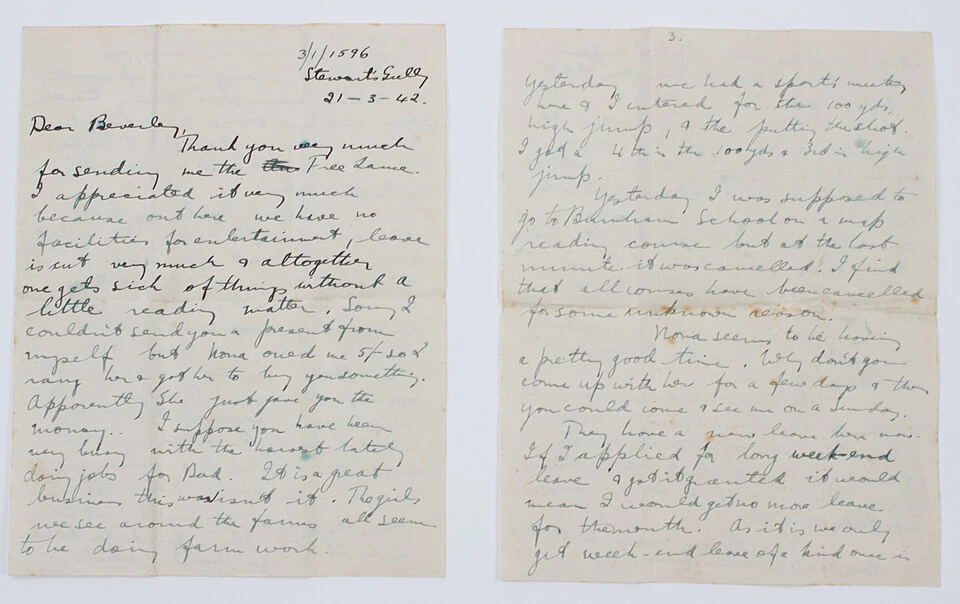
A personal archive preserves a family's forgotten history
The letters also demonstrated the value of handwritten correspondence as a source in history. In the past, the only time service personnel and their families could stay in contact was through sending letters. These were subject to postal delays and restrictions at wartime, and their importance was heightened as a result. An article in the Historical Journal examined how couples' romantic correspondence during World War II demonstrated their intimacy, personal relationship, and emotional response to the conflict. This collection of letters by the Mortleys shows something of the private lives of this Australian couple, apart from the accounts of battles and campaigns.





