E-Paper




Doctor explains prostate cancer: Risk factors, importance of early detection and treatment options

 Prefer HTon Google


Prostate cancer is one of the most common cancers among men which often develops without noticeable symptoms, making early detection difficult.
Prostate cancer is one of the most common cancers affecting men, yet it remains a subject many hesitate to discuss. On the occasion of International Men’s Day, which was observed on November 19, Dr P Sridhar, consultant urologist and andrologist at Asian Institute of Nephrology and Urology, Vizag, shared with HT Lifestyle the important points surrounding the disease, its diagnosis and treatment.
Also Read | Doctor explains how to reduce the risk of diabetes if the disease runs in the family
“In India, prostate cancer cases are rising, particularly in urban areas, and many are detected late because men tend to overlook routine health evaluations,” stated the physician. “Understanding the disease, recognising warning signs and seeking timely medical advice can make a significant difference.”
What is prostate cancer?
The prostate is a small, walnut-sized gland located below the urinary bladder and surrounding the urethra, shared Dr Sridhar. It plays an important role in male reproductive health by producing a component of seminal fluid.
“Prostate cancer develops when cells within this gland begin to grow abnormally and uncontrollably,” he stated, adding that age and family history are two of the biggest risk factors for the disease.
“The chances of developing prostate cancer increase significantly after the age of 50,” he observed. “Men with a family history of prostate cancer, particularly a father or brother diagnosed with the disease, face a higher risk.”
Genetic factors also play a role. Dr Sridhar cautioned that a strong family history of breast or ovarian cancer, particularly associated with BRCA1 or BRCA2 gene mutations, can increase a man's risk of developing prostate cancer.
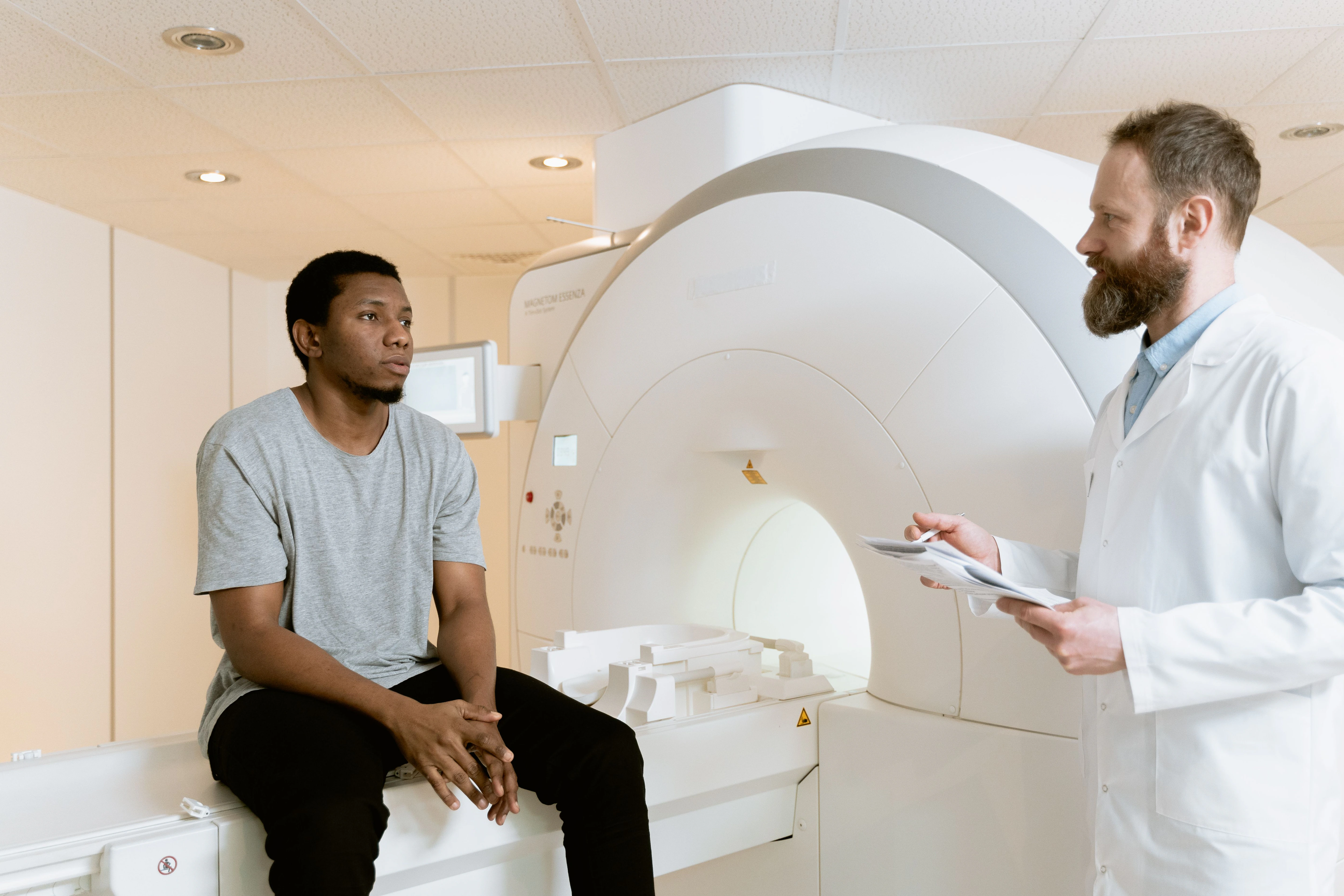
Why is early detection important?
“One of the biggest challenges with prostate cancer is that it often develops without noticeable symptoms in its early stages,” stated Dr Sridhar. As the disease progresses, men may experience symptoms such as:
- Difficulty passing urine
- Weak urinary stream
- Frequent urination, particularly at night
- Feeling that the bladder has not emptied completely
- Blood in the urine or semen (advanced case)
- Persistent bone pain (advanced case)
However, the physician emphasised that these symptoms do not automatically indicate cancer. Benign prostatic hyperplasia (BPH), a non-cancerous enlargement of the prostate, can cause similar urinary difficulties. A proper medical evaluation is therefore essential rather than self-diagnosis.
“I generally encourage men at average risk to discuss personalised screening with their urologist around the age of 50. Those with a strong family history or genetic risk factors should consider this conversation earlier, at around 40–45 years,” noted Dr Sridhar.
Treatment options for prostate cancer
The good news is that there are multiple treatment options available for prostate cancer, shared Dr Sridhar, but it depends on the stage and grade of cancer, as well as the patient's age and overall health.
“For selected low-risk cancers, active surveillance allows doctors to monitor the condition through regular PSA tests and scans without immediately resorting to invasive treatment,” he stated. “When intervention is required, options include surgery, radiation therapy and hormone therapy.”
“Advances such as robotic-assisted, nerve-sparing surgery and precision radiation therapy have significantly improved treatment approaches, with greater emphasis on preserving urinary control and sexual function alongside cancer control,” he added, assuring that with timely diagnosis and appropriate treatment, many men with localised prostate cancer can achieve excellent long-term outcomes.
Note to readers: This article is for informational purposes only and not a substitute for professional medical advice. Always seek the advice of your doctor with any questions about a medical condition.


Catch your daily dose of Fashion, Taylor Swift, Health, Festivals, Travel, Relationship, Recipe and all the other Latest Lifestyle News on Hindustan Times Website and APPs.